What Should I Check Before I Ask for a Rolex Offer?
When you’re thinking about selling your Rolex, it’s tempting to jump straight to the first offer you get. But let’s pump the brakes for a moment. Before you hand over your precious timepiece, there are several important checks and considerations to keep in mind. Whether you’re selling to a trusted secondary-market buyer like Diamond Banc, researching on analytical platforms like Market Realist, or just trying to educate yourself before you meet a dealer or use auction results as a reference, understanding what influences your Rolex’s offer can save you from underselling.
Understanding the Secondary Market vs MSRP for Rolex
The Manufacturer's Suggested Retail Price (MSRP) of Rolex watches is a good reference for base value but often wildly deviates from what you’d get or pay in the secondary market. This is crucial because your offer depends heavily on the current market dynamics — not just the MSRP printed on paper.

- MSRP: This is Rolex’s official retail price. It generally reflects production costs, retail mark-up, brand positioning, and distributor margins.
- Secondary Market Value: Determined by supply and demand, scarcity, collector interest, condition, and provenance. This can be significantly higher or sometimes lower than MSRP.
For example, some Rolex sports models are in short supply at authorized dealers, pushing secondary prices above MSRP. On the other hand, models discontinued years ago or with less collector demand might sell below MSRP, depending on condition and completeness (box, papers, service history).
Why Scarcity from Discontinuation Matters
Scarcity is a huge factor impacting pricing on the secondary market. When Rolex discontinues a model or specific reference, it stops producing new examples, making existing watches more collectible and sometimes rarer in the wild. This scarcity can create upward pricing pressure, fueling collector demand cycles and leading to premium offers.
Market-savvy buyers and sellers alike watch these discontinuation waves closely. Platforms like Market Realist track these trends by analyzing auction results and dealer sales data in near real-time. They can alert you to when a certain reference is heating up or cooling down.
Know Your Transaction Comps and Real-Time Pricing Tools
So, how do you get a realistic idea of what your Rolex can fetch? The key is transaction comps—actual sales data from auctions, dealer sales, and private transactions. Beware of “price claims” without sources; the only prices that matter are what the watch actually sold for.
- Auction Results: Look at recent sales of similar references with a similar condition and completeness. Websites like Chrono24, Sotheby’s, or Phillips auction archives are essential resources.
- Dealer Sales: Diamond Banc and other professional secondary market buyers often publish indicative pricing or can give realistic offers based on market intelligence and recent completed deals.
- Real-Time Pricing Tools: Services aggregating live sales data—including Market Realist’s analysis—provide insight into market momentum and current fair value.
By triangulating from these sources, you can avoid the common pitfall of confusing replacement value (what you'd pay retail to replace the watch) with resale value (what you can actually get in the market today).
Essential Checks Before Asking for a Rolex Offer
Before you even call for an offer, here are three critical authenticity and condition checks to perform. These checks also protect you from lowball offers based on incomplete or incorrect information:
1. Rolex Movement Check
The movement is the heart of your Rolex. A working, original, and well-maintained movement adds significant value. If the movement is malfunctioning, replaced with a non-Rolex part, or has undergone unapproved modifications, your offer will reflect those issues.
- Have the movement inspected by a certified watchmaker or a Rolex service center.
- Confirm it matches the reference’s original caliber specification.
- Note if it’s been recently serviced—recent service can reassure buyers, but over-servicing might lower desirability for collectors who prefer originality.
2. Authenticate Rolex Serial
The serial number verifies when and where your Rolex was made. This is crucial for authenticity and valuation, especially Great post to read with vintage or rare pieces. Make sure:
- The serial number matches the paperwork, if available.
- The serial number’s placement conforms to Rolex standards—usually engraved between lugs or on the rehaut (the inner bezel) for modern pieces.
- Use a trusted source or professional to verify serial authenticity and to spot potential signs of counterfeit or altered marks.
3. Rolex Case Markings Inspection
Rolex case markings encompass model numbers, hallmark stamps, and other engravings that authenticate your watch and often provide clues about its production era and originality.
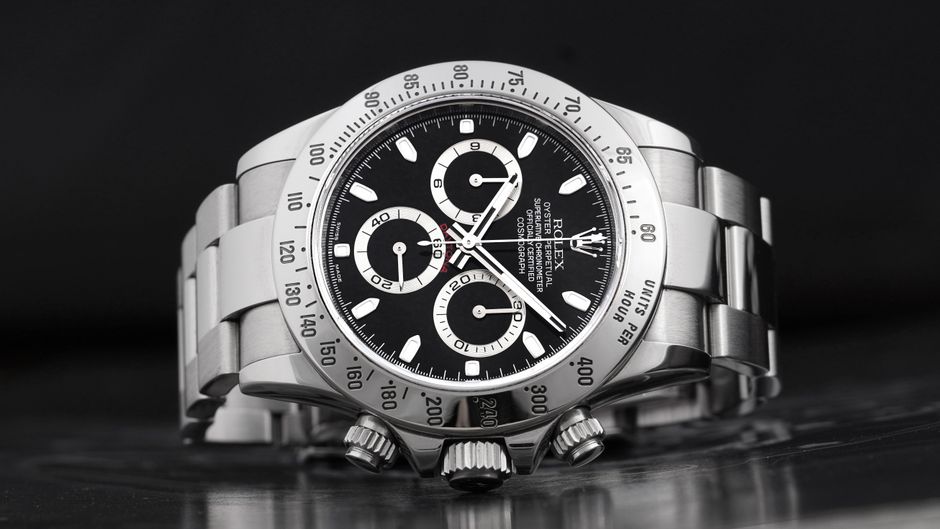
- Check the reference number engraved between the lugs opposite the serial number.
- Inspect hallmark stamps on the caseback or bracelet to confirm material authenticity (e.g., solid gold vs plating).
- Look for signs of re-polishing or alterations that may reduce collector value.
How to Use This Info When Asking for Offers
Armed with verified movement condition, authenticated serials, and original case markings, you’ll have a powerful advantage when approaching a buyer or getting an offer. Here’s how to apply these insights:
- Ask for proof of valuation methodology. A reputable buyer like Diamond Banc will base their offer on comps, auction results, and current market trends instead of vague promises or MSRP multipliers.
- Compare your Rolex against recent sales of the same reference and condition. Use Market Realist’s analyses or auction archives to cross-check what sellers actually got, not just asking prices.
- Explain any unique factors such as limited production runs or discontinued status. Buyers appreciate when sellers can justify scarcity and desirability due to collector cycles.
- Request clarity on how service history and condition impact their offer. This helps differentiate between replacement value (insurance or retail-replacement based) and genuine secondary market resale value.
Summary Checklist Before You Request a Rolex Offer
Step What to Check Why It Matters 1 Rolex Movement Check Ensures authentic, working, and original caliber adds value 2 Authenticate Rolex Serial Confirms production date and originality; protects against fakes 3 Inspect Rolex Case Markings Verifies model authenticity and material, impacts collector appeal 4 Research Recent Auction Results and Dealer Sales Provides realistic market price baselines and trends 5 Understand Scarcity & Collector Demand Cycles Helps predict timing and pricing opportunitiesFinal Thoughts: Make Your Next Rolex Offer Request With Confidence
Asking for a Rolex offer without preparation is like showing up to an auction blindfolded—you might get lucky, but more often you’ll miss out on your watch’s true value. By focusing on verified mechanical and serial authenticity, understanding the secondary where to sell rolex market vs MSRP nuances, and using real transaction comps from auctions and dealers like Diamond Banc, you position yourself for a fair, informed offer.
And remember, no credible buyer bases their offer on "last week's listed price"—only on what the watch actually sold for recently. Keep your expectations realistic, trust data over hype, and use every tool at your disposal—including the wealth of resources from data-driven platforms like Market Realist—to get the most accurate snapshot of your Rolex’s current market worth.
Ready to request that offer? Start by doing your homework on movement, serials, and markings, then reach out to a reputable secondary market buyer prepared to share their valuation methodology openly. Your timepiece is an investment—in knowledge and patience too—and your diligence pays off in every dollar of your final offer.