Carrier Billing vs Debit Card for Small Purchases
When it comes to paying for small transactions—think digital content, mobile games, transportation tokens, and micro-subscriptions—users have several payment options. Two popular methods are carrier billing and debit cards. Understanding the differences, benefits, and drawbacks of each payment method is crucial for consumers and merchants aiming to optimize checkout speed, spending control, and security perception.
What Is Carrier Billing?
Carrier billing, sometimes called direct carrier billing (DCB), allows consumers to charge small purchases directly to their mobile phone bill or prepaid balance rather than using a traditional payment method like a debit or credit card. Essentially, the purchase amount is added to the user’s monthly mobile service invoice or deducted from their prepaid balance.
This alternative payment method streamlines the purchase experience, especially for digital goods and small-value transactions where entering card details or linking bank accounts can introduce friction.
Carrier Billing Basics
- Payment Integration: The user authorizes a charge through their mobile service provider during checkout.
- Billing Method: Costs are either added to the monthly phone bill or deducted from prepaid mobile balances.
- Typical Use Cases: Small digital content purchases, app downloads, in-app purchases, and micro-subscriptions.
- Transaction Limits: Usually capped at low thresholds — often under $50 — due to risk and regulatory reasons.
- Fees: Merchants often pay a higher commission fee for carrier billing compared to card payments.
Carrier billing appeals particularly to smartphone users who prefer convenience and fast checkout without entering card information for every purchase.
Understanding Monthly Contract vs Pay-As-You-Go Behavior
Carrier billing inherently ties to the customer’s mobile account, which usually falls into one of two categories: monthly contract plans or pay-as-you-go (prepaid) plans. The payment behavior in these setups differs significantly and impacts how carrier billing is perceived and used for small expenditures.
Monthly Contract Accounts
- Billing Cycle: Customers receive a monthly invoice consolidating calls, data usage, and carrier billing purchases.
- Credit Relationship: Providers often run credit checks and extend a billing relationship.
- Spending Control: Purchases accumulate alongside phone charges, making it easier in one sense to manage combined expenses, but harder for users to isolate spending for small transactions.
- Checkout Experience: Seamless and typically benefits from pre-registered billing status, speeding up one-click purchases.
Pay-As-You-Go (Prepaid) Accounts
- Balance-Based: Purchases can only be made up to the prepaid balance, introducing a natural spending limit.
- Spending Control: Enhanced control as users must maintain sufficient balance and visually monitor remaining funds.
- Checkout Experience: May require checking balance or topping up before finalizing purchases, potentially adding friction compared to contract users.
Understanding these user behaviors helps merchants and payment providers tailor the payment experience and expectations accordingly.
Checkout Speed and Reduced Friction
Fast, smooth checkout is crucial for user satisfaction and transaction completion, especially for small transactions where perceived value is low. Carrier billing addresses several pain points in the checkout flow compared to debit cards:
- No Card Details Required: Users do not need to retrieve or type lengthy card numbers, expiration dates, CVVs, or comply with card-issuing bank verification steps.
- Fewer Form Fields: Since the mobile number is often already linked or auto-detected, the number of input fields is minimal.
- One-Click Authorization: Users frequently confirm charges via SMS OTP (one-time password) or pre-approved carrier contracts, speeding overall authorization.
- Automatic Postpay Billing: Contract users see charges appear on their phone bill without having to manage separate payments, reducing transactions handling steps.
Conversely, although debit cards are widely accepted, card payments for small values may still require inputting or selecting saved payment info, OTP verification under 3DS (3-D Secure), and waiting for bank authorization which can introduce small but disruptive delays.
Perceived Security and Trust in Carriers
Security perception influences payment choice. Consumers’ trust varies between carrier billing and debit card payments due to several factors:
Carrier Billing Security & Trust
- Trusted Brand Association: Mobile network providers often have longstanding reputations, and customers may feel comfort transacting through this known entity.
- Fewer Data Exposures: Users do not share sensitive banking information with merchants.
- Dispute Process: Billing disputes can be handled directly via the carrier, sometimes simplifying resolution for small amounts.
- Potential Risks: Unauthorized charges (often called “mobile cramming”) have historically been a concern, making transparency and user controls critical.
Debit Card Security & Trust
- Strong Fraud Protections: Debit cards benefit from EMV chip technology, 3DS authentication, and zero-liability fraud policies through banks.
- Data Sharing Concerns: Debit card payments require sharing card data with the merchant or payment processor, potentially raising privacy concerns.
- Chargebacks: Users can reverse unauthorized or unwanted transactions via bank chargebacks, providing recourse.
Ultimately, trust in either method depends on consumer experience and ecosystem transparency. Carriers are increasingly adopting enhanced authorization protocols and clearer billing descriptions to improve confidence.
Comparing Key Factors: Carrier Billing vs Debit Card for Small Transactions
Factor Carrier Billing Debit Card Checkout Speed Typically faster due to minimal input and seamless billing integration. Can be slower due to card data entry and bank authorization steps. Spending Control Better for prepaid users with balance limits; monthly contract users may find tracking mixed bills harder. Direct control over account as funds are withdrawn immediately; bank notifications assist tracking. Security Perception Trust leverages existing carrier relationships; concerns around unauthorized charges exist but decreasing. Strong anti-fraud protections and familiarity enhance user confidence. Transaction Limits Lower limits, typically up to $30–50 to reduce risk. Higher limits, subject to bank and card account constraints. Fees to Merchants Higher commission fees charged by carriers. Generally lower fees than carrier billing. User Adoption Popular among mobile-first users and those without banking cards. Widely used by banked consumers with card access.When to Choose Carrier Billing for Small Transactions
Carrier billing suits certain scenarios and user demographics exceptionally well:
- Mobile-First Consumers: People who primarily use smartphones and may not have bank or credit cards.
- Impulse or Micro-Purchases: Content like game add-ons, streaming subscriptions, or digital goods under a few dollars.
- Checkout Optimization: Merchants aiming to reduce cart abandonment by speeding up the payment step.
- Spending Limits Desired: Prepaid plan users appreciate natural spending ceilings.
When a Debit Card Is Better
- Higher Transaction Amounts: For purchases exceeding typical carrier billing limits.
- Strong Fraud Liability Protections: Users who prioritize bank-level dispute support.
- Wider Acceptance: Merchants that do not support carrier billing or regionally restricted carrier options.
Common Mistakes to Avoid When Comparing Payment Options
One key mistake industry observers or merchants make is citing specific carrier names when generalizing about carrier billing advantages or limitations. Every carrier’s policies, transaction fees, and customer dispute processes can differ substantially. Unless data or claims are separately sourced for specific telecom providers, references to brands like "Carrier X" or "Carrier Y" should be avoided in thecoastlandtimes.com generalized content. This ensures accuracy and fairness, especially in global and multi-network contexts.
Final Thoughts
For small transactions, both carrier billing and debit card payments have distinct advantages and challenges. Carrier billing shines in checkout speed and convenience, especially among mobile-first and prepaid users, by minimizing friction and leveraging existing trust in carriers. Debit cards, however, offer stronger fraud protections and are preferred for larger or cross-platform purchases.
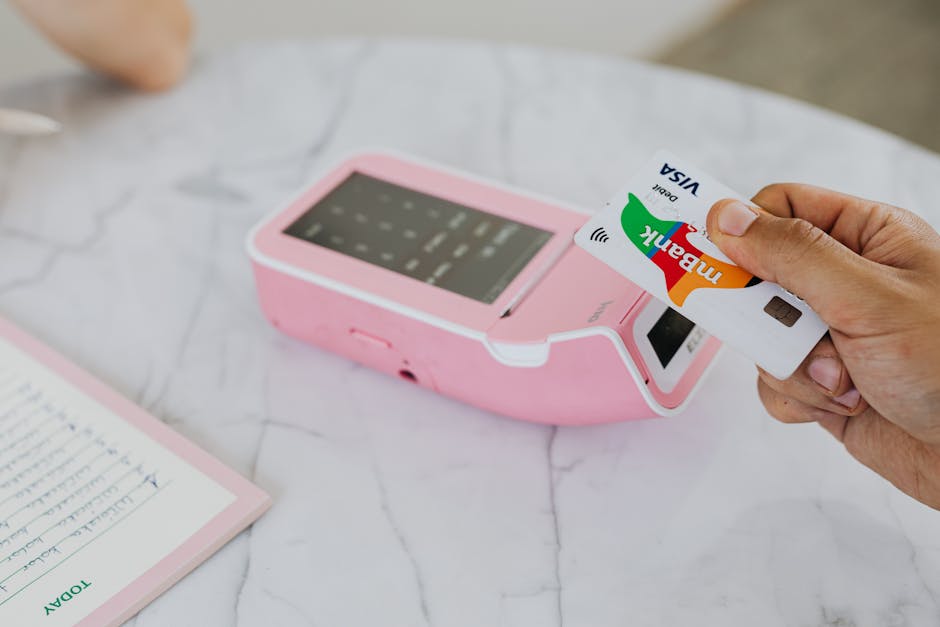
Merchants catering to small-value digital goods should evaluate their target consumers, expected transaction size, and regional payment preferences before selecting or promoting carrier billing versus debit card options. Accepting multiple payment types ultimately increases conversion and satisfies diverse user preferences.

Understanding the nuances of small transactions, checkout speed, and spending control is paramount to designing frictionless, secure, and trustworthy payment experiences.